
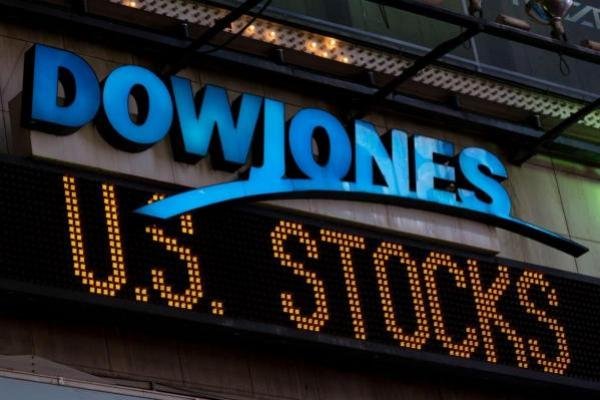
Dow Jones What It Really Means and Why Everyone Keeps Talking About It
Ever turned on the news and heard, “The Dow is up today,” or “The Dow plunged 500 points,” and thought… okay, but what does that actually mean? You’re not alone.
The Dow Jones isn’t just some random number flashing across financial channels. It’s like a heartbeat monitor for the economy—steady sometimes, chaotic at others, but always telling a story. Let’s break it down in a way that actually makes sense.
What Is the Dow Jones, Really?
When people say “Dow Jones,” they’re usually referring to the Dow Jones Industrial Average (DJIA).
Think of it like a scoreboard—but instead of tracking goals in a football match, it tracks the performance of 30 major U.S. companies. These are big, well-established players—household names that shape industries.
So, when the Dow goes up, it generally means these companies are doing well. When it drops? Well, something’s probably shaking the market.
A Quick Trip Back in Time
The Dow didn’t just appear overnight. It was created way back in 1896 by Charles Dow and his business partner Edward Jones.
Back then, it tracked just 12 companies—mostly industrial ones like railroads and steel. Today, it has evolved, but the goal remains the same: give people a snapshot of the market’s health.
It’s kind of like upgrading from a black-and-white TV to a 4K screen—the picture is clearer, but the purpose is still entertainment (or in this case, information).
How Does the Dow Jones Work?
Here’s where it gets interesting—and slightly weird.
Unlike many other indexes, the Dow is price-weighted. That means companies with higher stock prices have more influence on the index, regardless of how big the company actually is.
For example:
- A company with a $500 stock price impacts the Dow more than one priced at $100—even if the latter is much larger overall.
Strange, right? It’s like judging a cricket match based on the loudest player instead of the best one.
Who’s Inside the Dow?
The Dow includes 30 major companies across different sectors—technology, healthcare, finance, and more. You’ll find giants like:
- Apple Inc.
- Microsoft
- Coca-Cola
These companies are chosen because they’re stable, influential, and widely recognized.
But here’s the catch—the list isn’t fixed forever. Companies get swapped in and out depending on how relevant they remain. It’s like a VIP guest list that changes with time.
Why Does the Dow Jones Matter?
You might be thinking—I don’t invest in stocks, so why should I care?
Fair question.
The Dow acts as a confidence indicator. When it rises, investors feel optimistic. When it falls, fear or uncertainty might be creeping in.
This can affect:
- Business decisions
- Job markets
- Even consumer spending
In simple terms, when the Dow sneezes, the economy sometimes catches a cold.
Dow vs Other Indexes: What’s the Difference?
The Dow isn’t the only player in the game. You’ve probably heard of:
- S&P 500
- NASDAQ Composite
So how do they compare?
- Dow Jones: Tracks 30 companies (simple but limited)
- S&P 500: Tracks 500 companies (broader view)
- NASDAQ: Heavy on tech companies
Think of it like this:
- Dow = highlight reel
- S&P 500 = full match
- NASDAQ = tech-focused documentary
Each tells a slightly different story.
What Makes the Dow Move?
The Dow doesn’t just move randomly—it reacts to real-world events.
Here are some major triggers:
1. Economic News
Inflation, interest rates, unemployment—these can push the market up or down.
2. Company Performance
If big companies report strong earnings, the Dow often rises.
3. Global Events
Wars, pandemics, or political instability can shake investor confidence.
4. Investor Sentiment
Sometimes it’s just emotion—fear and greed playing tug-of-war.
It’s a bit like the weather. You can predict trends, but surprises always happen.
Is the Dow Still Relevant Today?
Here’s where opinions split.
Some experts argue the Dow is outdated because:
- It tracks only 30 companies
- It’s price-weighted (which can distort reality)
Others say it’s still valuable because:
- It’s simple and easy to understand
- It has historical significance
- It reflects major corporate performance
So, is it perfect? No.
Is it useful? Absolutely.
How Should You Use the Dow as an Investor?
If you’re just starting out, the Dow can be a starting point, not the final answer.
Here’s how to use it wisely:
- Watch trends, not daily swings
- Compare it with other indexes
- Don’t base all decisions on it
Think of the Dow as a compass—not a GPS. It points you in a direction, but you still need a full map.
Common Misconceptions About the Dow
Let’s clear up a few myths:
“The Dow represents the entire market.”
Not really—it’s just 30 companies.
“If the Dow is up, everyone is making money.”
Nope. Many stocks can still be down.
“A big drop means a crash.”
Sometimes it’s just a correction, not a disaster.
Understanding these nuances can save you from panic—or overconfidence.
The Emotional Side of the Dow
Here’s something people don’t talk about enough—the Dow isn’t just numbers. It’s emotion in disguise.
Every spike or dip reflects:
- Hope
- Fear
- Speculation
It’s like watching a crowd react during a live match—cheers one minute, silence the next.
Conclusion: So, What’s the Big Deal?
At its core, the Dow Jones is a storyteller. It tells you how major companies are performing, how investors feel, and sometimes—how the world is changing.
But don’t treat it like gospel. It’s one piece of a much bigger puzzle.
Next time you hear, “The Dow is up,” you won’t just nod along—you’ll actually get it. And that? That’s where real understanding begins.