
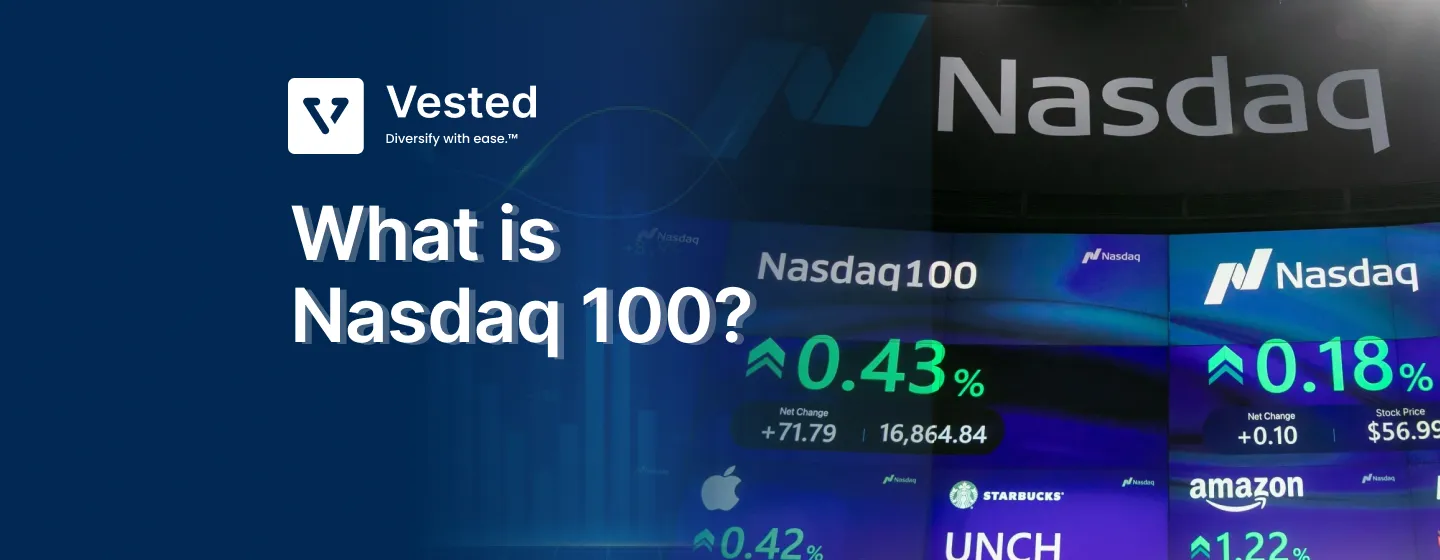
NASD 100 A Complete Guide to Understanding the Tech-Driven Stock Index
Ever wondered what people really mean when they talk about the “NASD 100”? Is it just another stock market buzzword, or something you should actually care about? Let’s break it down in a way that makes sense—no jargon overload, no boring lectures.
By the end of this, you’ll not only understand the NASD 100 but also feel confident enough to talk about it like a pro.
What Is NASD 100 (NASDAQ 100)?
The NASD 100 usually refers to the NASDAQ-100 Index—one of the most important stock market indexes in the world.
Think of it like a curated playlist of the top 100 non-financial companies listed on the NASDAQ. These aren’t just any companies—they’re giants, innovators, and trendsetters.
We’re talking about names like:
- Apple
- Microsoft
- Amazon
So yeah, this index is basically the VIP section of the stock market.
Why Should You Care About NASD 100?
Let me ask you something—do you use a smartphone, shop online, or stream videos?
Exactly.
Most of the companies in the NASD 100 are behind the tech you use every day. That means when this index moves, it reflects the health of modern innovation.
In simple terms:
- If NASD 100 goes up → Tech is booming
- If NASD 100 drops → Something’s shaking the digital world
It’s like a heartbeat monitor for the tech industry.
How Does the NASD 100 Work?
Here’s where it gets interesting.
Unlike some indexes that treat all companies equally, the NASD 100 is market-cap weighted. That means bigger companies have more influence.
Imagine a tug-of-war:
- A giant like Apple pulls hard
- A smaller company pulls… not so much
So when big players move, the entire index feels it.
What Companies Are Included?
Not every company gets an invite to this exclusive club. There are rules.
To be part of the NASD 100, a company must:
- Be listed on NASDAQ
- Be non-financial (no banks or insurance firms)
- Have strong liquidity and market value
This is why you’ll see a heavy focus on:
- Tech
- Consumer services
- Healthcare innovation
It’s like a snapshot of the future economy.
NASD 100 vs Other Indexes: What’s the Difference?
You might be thinking—“Isn’t this just like the S&P 500?”
Not quite.
Let’s compare:
NASD 100
- Tech-heavy
- Growth-focused
- More volatile
S&P 500
- Broad market exposure
- Includes financial companies
- More balanced
Dow Jones Industrial Average
- Only 30 companies
- Price-weighted
- Old-school vibe
So if the stock market were music:
- NASD 100 = EDM festival
- S&P 500 = mixed playlist
- Dow Jones = classic rock
How Can You Invest in NASD 100?
Here’s the good part—you don’t need millions to get in.
You can invest through ETFs (Exchange-Traded Funds), like:
- Invesco QQQ ETF
This ETF mirrors the NASD 100, so buying it is like buying a slice of all those top companies.
It’s simple, efficient, and beginner-friendly.
What Drives the NASD 100?
This index doesn’t move randomly. It reacts to real-world factors.
1. Tech Innovation
New AI tools, gadgets, or software breakthroughs? Expect movement.
2. Interest Rates
Higher rates can slow growth stocks—bad news for NASD 100.
3. Earnings Reports
When giants like Apple or Amazon release results, the market listens.
4. Global Events
Economic slowdowns, geopolitical tensions—these ripple through the index.
Think of NASD 100 like a sensitive radar—it picks up signals fast.
Is NASD 100 Risky?
Short answer? Yes—and no.
Because it’s tech-heavy, it can swing more than broader indexes. But with higher risk often comes higher reward.
It’s like driving a sports car:
- Fast? Absolutely
- Thrilling? Definitely
- Risky? Only if you don’t know what you’re doing
If you’re in for the long haul, those ups and downs often smooth out over time.
Advantages of Investing in NASD 100
Why do so many investors love it?
High Growth Potential
Tech companies grow fast—sometimes explosively.
Global Influence
These companies dominate worldwide markets.
Innovation Exposure
You’re investing in the future—AI, cloud computing, e-commerce.
Downsides You Should Know
Let’s not sugarcoat it.
Volatility
Prices can swing sharply.
Tech Dependency
If tech struggles, the index takes a hit.
Limited Diversification
No banks or financial stocks means less balance.
Tips for Beginners
Thinking of jumping in? Keep these in mind:
- Don’t panic during dips
- Invest regularly (SIP style)
- Think long-term, not quick profits
Remember, investing isn’t a sprint—it’s a marathon.
The Future of NASD 100
Here’s the exciting part.
With trends like:
- Artificial Intelligence
- Cloud Computing
- Electric Vehicles
The NASD 100 is likely to stay at the center of innovation.
It’s not just tracking companies—it’s tracking the future.
Conclusion: Is NASD 100 Worth Your Attention?
So, where does that leave us?
The NASD 100 isn’t just another index—it’s a powerful reflection of the modern world. It captures innovation, ambition, and the companies shaping tomorrow.
If you believe in technology, growth, and the future of digital transformation, this index deserves a spot on your radar.
Just remember—like any investment, it comes with risks. But with the right mindset and a long-term approach, the NASD 100 can be more than just numbers on a screen—it can be a gateway to serious financial growth.
Now the real question is… are you ready to ride the wave?