
NYSE The Heartbeat of Global Finance
Ever wondered where the world’s biggest companies go to prove their worth? Picture a bustling marketplace—not with fruits or clothes—but with billions of dollars changing hands every second. That’s the magic of the New York Stock Exchange (NYSE).
Let’s break it down together. No jargon overload. No boring lecture. Just a clear, engaging look at how this financial giant works—and why it matters to you.
What Is the NYSE, Really?
At its core, the NYSE is a stock exchange—a place where people buy and sell shares of publicly listed companies. Think of it like a giant auction house, where investors shout (digitally now) their bids and offers.
Founded way back in 1792, the NYSE isn’t just old—it’s legendary. It has survived wars, recessions, and economic revolutions. And today? It’s still one of the largest stock exchanges in the world.
So yeah, it’s kind of a big deal.
Where Is the NYSE Located?
If Wall Street had a beating heart, this would be it.
The NYSE is located on Wall Street in New York City. That street name alone has become a symbol of global finance. Movies, news, and even memes love it.
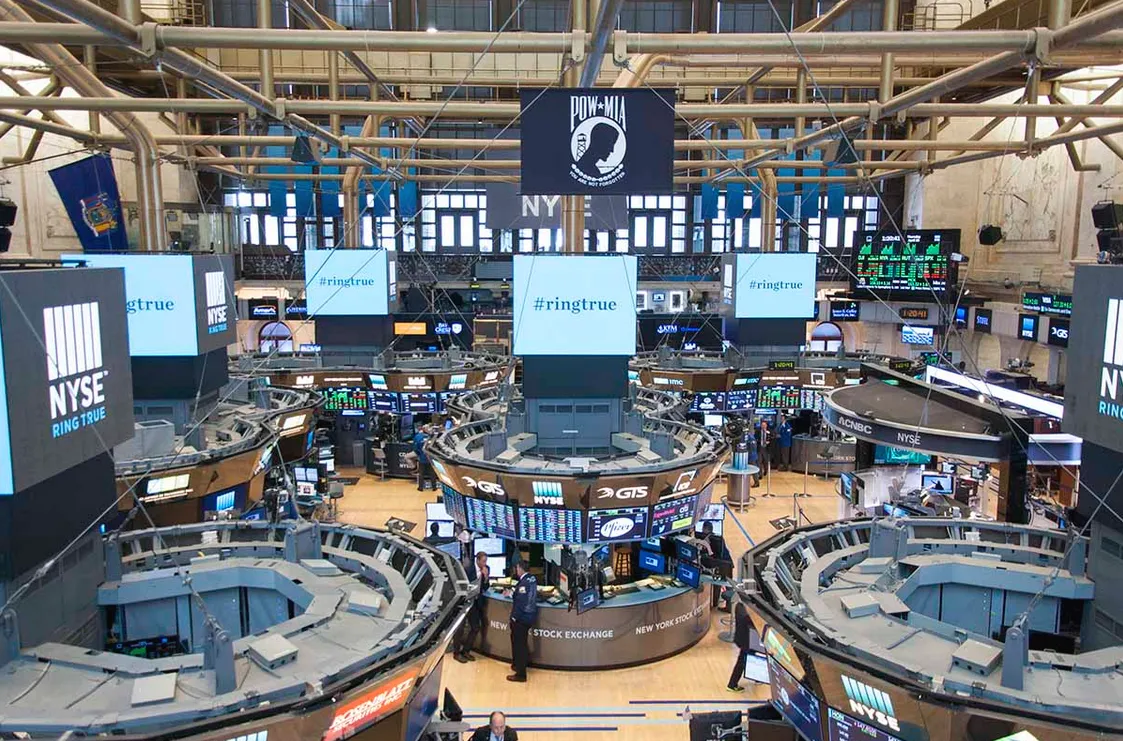
But here’s the twist: while the iconic trading floor still exists, most trading today happens electronically. The shouting traders? Fewer now. The algorithms? Everywhere.
How Does the NYSE Work?
Let’s simplify this.
When a company wants to raise money, it lists its shares on the NYSE through an IPO (Initial Public Offering). After that, investors like you and me can buy or sell those shares.
Here’s the flow:
- Companies list shares
- Investors buy/sell shares
- Prices go up or down based on demand
It’s like a popularity contest—but with money on the line.
And the NYSE ensures everything runs smoothly, fairly, and transparently.
Why Do Companies Choose the NYSE?
Good question. Why not go somewhere else?
Well, listing on the NYSE is like getting into an elite club. It signals credibility, stability, and prestige.
Big names like Apple Inc. and Coca-Cola Company have chosen this platform. That alone tells you something.
Companies benefit from:
- Access to huge capital
- Global visibility
- Investor trust
In simple terms, the NYSE helps businesses grow faster—and bigger.
NYSE vs Other Stock Exchanges
You might be thinking—what about other exchanges?
Great point.
The NYSE’s main rival is the NASDAQ. While both trade stocks, they’re quite different.
Here’s a quick analogy:
- NYSE = Traditional, human-assisted trading
- NASDAQ = Fully electronic, tech-driven
NYSE is like a luxury showroom. NASDAQ? A high-speed online store.
Both work. But they attract different kinds of companies.
Who Regulates the NYSE?
Now, imagine a marketplace with no rules. Chaos, right?
That’s why the NYSE operates under strict regulation from the U.S. Securities and Exchange Commission (SEC).
The SEC ensures:
- No fraud
- Fair trading practices
- Transparency
It’s like the referee in a high-stakes game—making sure nobody cheats.
What Is the Trading Floor?
Let’s talk about the iconic trading floor.
You’ve probably seen it in movies—people yelling, waving papers, chaos everywhere. That’s the NYSE floor.
Even today, it plays a role. Certain trades are handled there to maintain order and stability, especially during volatile moments.
But don’t be fooled—most trading now happens behind screens, powered by lightning-fast computers.
What Is the Dow Jones?
You can’t talk about the NYSE without mentioning the Dow Jones Industrial Average.
This index tracks 30 major companies listed on the exchange. It’s like a quick snapshot of how the market is doing.
If the Dow is up, people feel optimistic. If it drops? Panic can follow.
It’s not the whole story—but it’s a powerful indicator.
Why Should You Care About the NYSE?
You might be thinking, “I’m not a trader—why does this matter to me?”
Fair question.
Here’s the truth: the NYSE affects your life more than you think.
- Your job? Linked to company performance
- Your savings? Possibly invested in stocks
- The economy? Driven by market activity
When the NYSE moves, the world feels it.
It’s like the weather—whether you check it or not, it still impacts your day.
Risks and Rewards of the NYSE
Let’s keep it real—this isn’t a guaranteed money machine.
Investing in the NYSE comes with:
- Risks (market crashes, volatility)
- Rewards (long-term growth, dividends)
Think of it like riding a rollercoaster. Thrilling? Yes. Predictable? Not always.
Smart investors don’t panic. They plan, diversify, and think long-term.
The Future of the NYSE
So, what’s next?
Technology is reshaping everything. AI, algorithmic trading, and blockchain are slowly changing how markets operate.
But one thing stays constant—the NYSE’s role as a global financial leader.
It adapts. It evolves. It survives.
Kind of like a financial chameleon.
Conclusion
The New York Stock Exchange isn’t just a place—it’s a symbol. A symbol of opportunity, risk, ambition, and growth.
From small investors to massive corporations, everyone plays a part in this financial ecosystem. And whether you’re actively trading or just watching from the sidelines, the NYSE quietly influences your world.
So next time you hear “the market is up,” you’ll know exactly what’s behind that headline—and why it matters.
Because in the end, the NYSE isn’t just about stocks. It’s about stories. Growth. And the constant pursuit of something bigger.